


1.43 €
In Stock
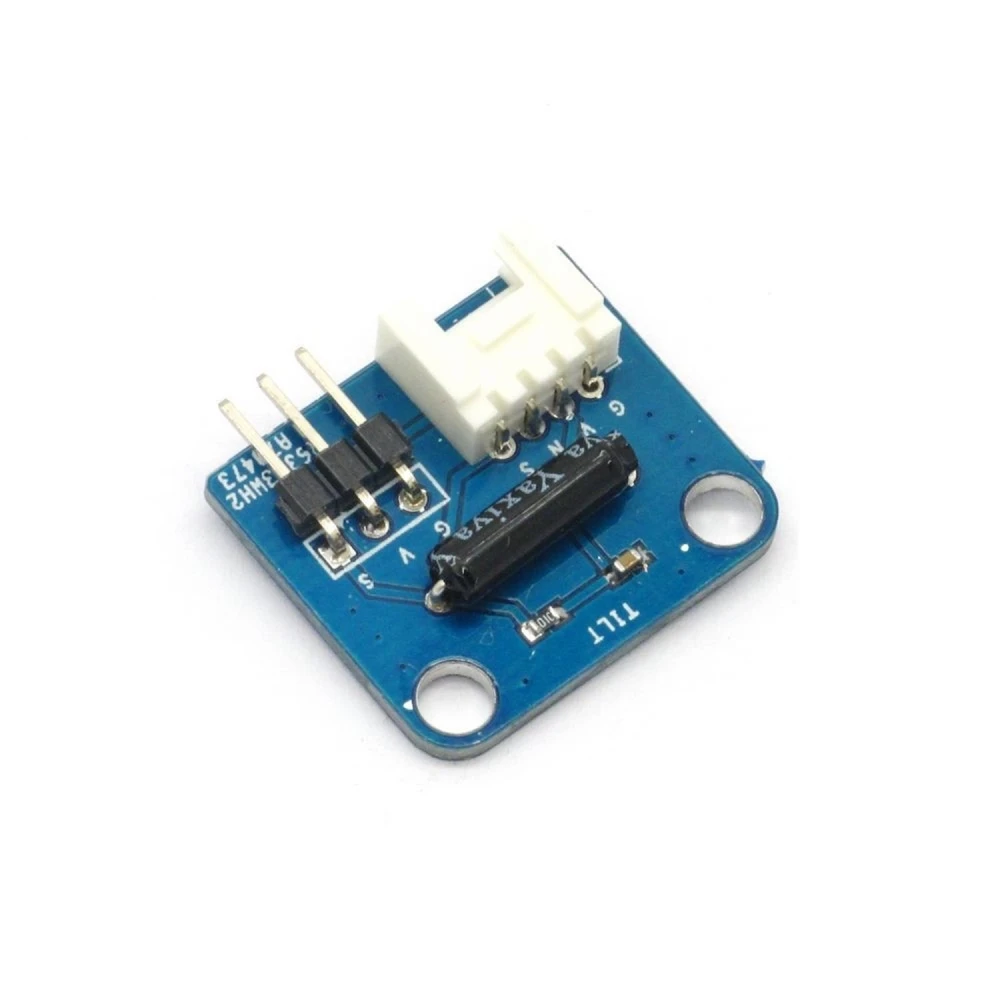
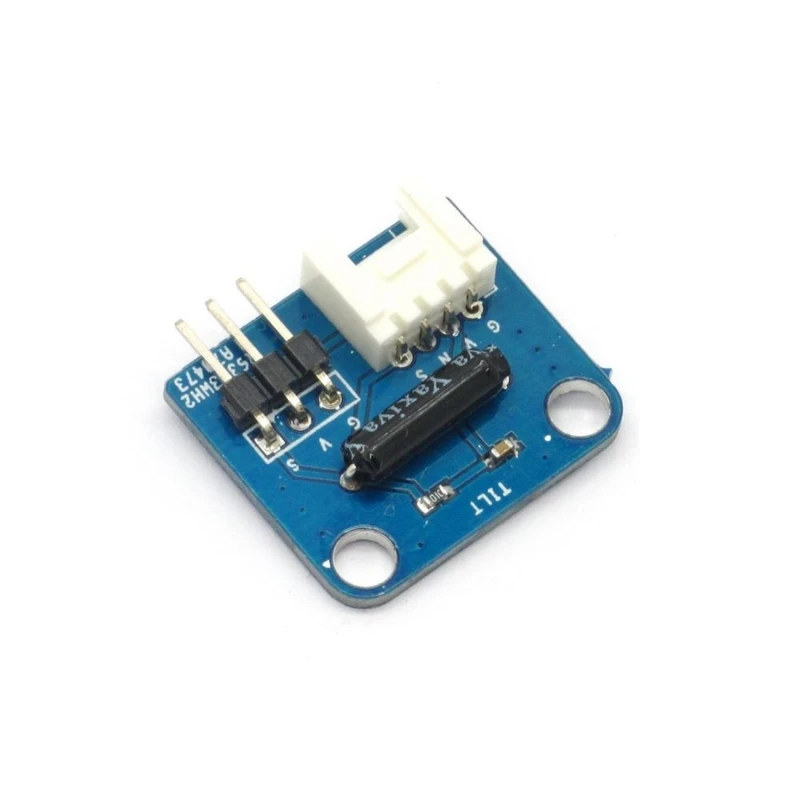
Tilt Sensor for Arduino, Switch Type, 3-Pin, 5 V
Brand: satkit
Save 60% Was: 3.57 €
1.43€
VAT included (Ex VAT: 1.16 €)
Volume Discounts
| Quantity | Price | Save |
|---|---|---|
| 2+ | 3.42 € | -4% |
| 10+ | 3.25 € | -9% |
| 20+ | 2.85 € | -20% |
Limited stock
Standard delivery
Wed, Dec 2 - Fri, Dec 4
Express delivery
Mon, Nov 30 - Tue, Dec 1
30-day returns
Free returns within 30 days
Secure transaction






Share:
Free Delivery
Shipping from €4.99
Easy Returns
30 day return policy
Secure Payment
100% secure checkout
Quality Guarantee
Original products only
Tilt sensor module for Arduino that works as a switch: it changes state when it detects a tilt, allowing you to turn a circuit on or off depending on the position of the sensor. It is used in electronics, robotics and education projects, for example in mobile robots, autonomous vehicles or devices that need to monitor their position for safety or automation.
Features
- Works as a switch: changes state when it detects a tilt.
- 3-pin connection.
- Compact size, suitable for tight spaces.
- For DIY, robotics and electronics education projects.
Technical specifications
- Power supply: 5 V.
- Connection: 3-pin.
- Dimensions: 24 × 21 × 1,6 mm.
Compatibility
- Arduino boards and other microcontrollers that run at 5 V.
Customer Questions & Answers
What is the main function of this tilt sensor and which applications is it recommended for?
The tilt sensor works as a switch that activates when its angular position changes beyond a certain threshold. It is useful for detecting whether an object has been tilted or tipped over, and can be used in alarm systems, levelling, robotics and interactive games.
What are the exact dimensions, weight, and package contents when received?
The module measures 24 mm x 21 mm x 1.6 mm and weighs 15 g. The package includes the assembled sensor and, generally, does not include cables or additional accessories unless stated by the supplier.
Which platforms and voltages is this sensor compatible with, and what type of connection does it use?
It is compatible with Arduino and microcontrollers operating at 5 V DC. The connection is via a 3-pin header: VCC (5 V), GND and digital signal, making it easy to integrate into standard boards.
Does it require any calibration, maintenance or special care to maximise its service life?
No specific calibration is required. It is advisable to avoid dusty or excessively humid environments, and not to apply force to the capsule to prevent mechanical failure.
What is the sensor's activation angle accuracy, and is there an alternative with greater precision?
This sensor activates at approximately 15 to 45° of tilt. It does not provide continuous measurement or angular accuracy. For higher precision requirements, MEMS-based sensors provide real-time angle data.
How do you connect the Arduino tilt sensor?
It connects via its 3-pin interface to the Arduino board, generally with 5V power, ground and signal.
What voltage does the Arduino tilt sensor require?
The sensor operates with a 5V supply, compatible with most Arduino boards.
What projects is this sensor ideal for?
It is ideal for robotics projects, position detection, electronic DIY and Arduino education.
What is the size of the sensor?
The sensor measures 24 × 21 × 1.6 mm, making it compact and easy to integrate in tight spaces.
Write a customer review
Customers who bought this item also bought
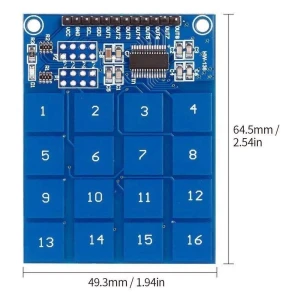
-30%
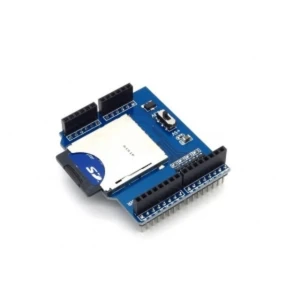
-30%
SD and microSD Card Shield for Arduino with NanoFAT Library, up to 2 GB
3.44€
4.92 €
Only 5 left in stock
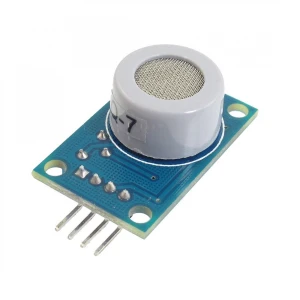
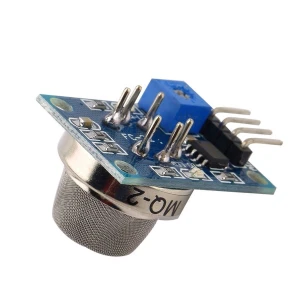
-20%
MQ-2 Gas and Smoke Sensor Module with Analogue and TTL Output for Arduino
2.76€
3.44 €
Only 6 left in stock

-30%
-20%
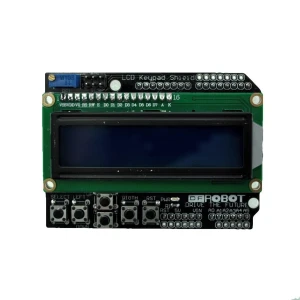
LCD Keypad Shield LCD1602 for Arduino with 2x16 Display and Buttons
3.94€
4.92 €
Only 10 left in stock
Tilt Sensor for Arduino, Switch Type, 3-Pin, 5 V
1.43 €3.57 €