


3.94 €
In Stock
MAX31855 Thermocouple Amplifier for Arduino with SPI Interface and Board
Brand: satkit
3.94€
VAT included (Ex VAT: 3.20 €)
Limited stock
Standard delivery
Thu, Apr 30 - Mon, May 4
Express delivery
Tue, Apr 28 - Wed, Apr 29
30-day returns
Free returns within 30 days
Secure transaction


Share:
Free Delivery
Shipping from €4.99
Easy Returns
30 day return policy
Secure Payment
100% secure checkout
Quality Guarantee
Original products only
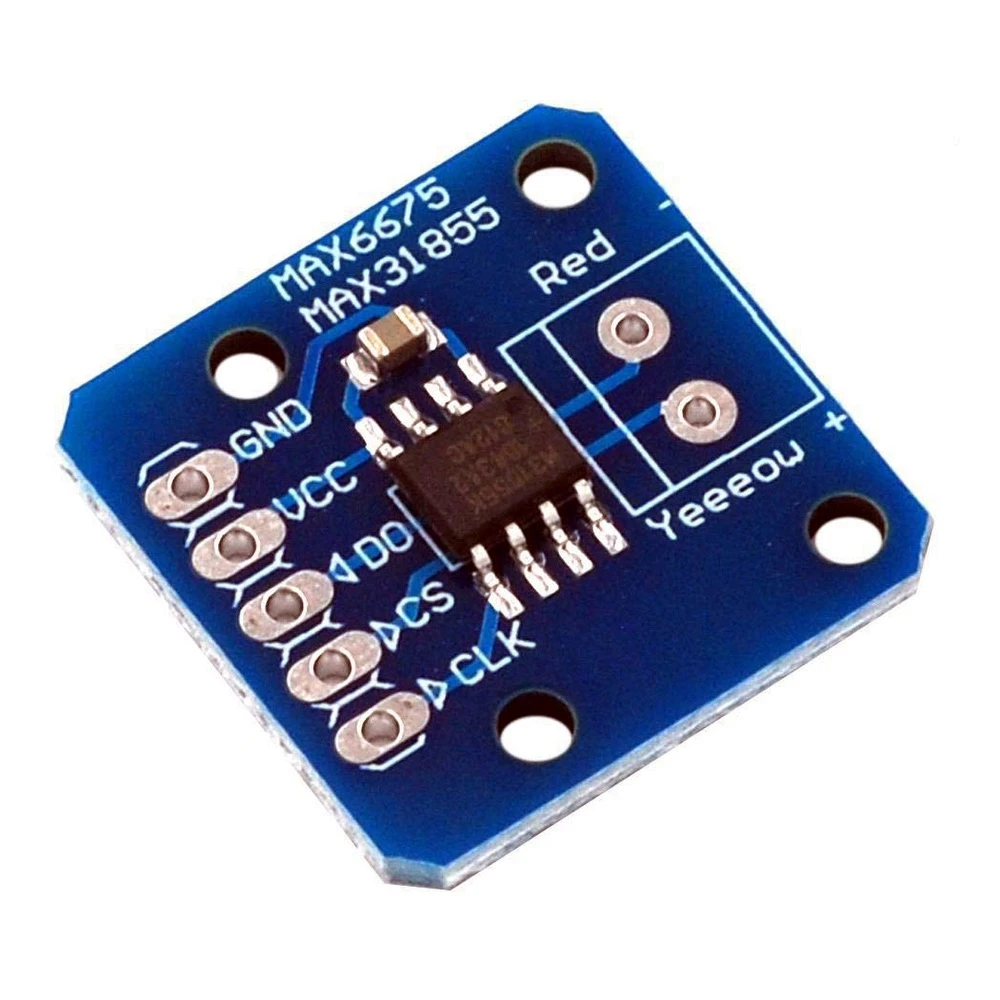
The MAX31855 thermocouple amplifier for Arduino is an advanced solution for temperature measurement with K-type thermocouples, offering an efficient upgrade from the MAX6675 model. This connection board integrates the MAX31855K chip, which includes internal cold-junction compensation to ensure accurate and reliable readings, even in demanding environments.
This board is designed to make connection and use with microcontrollers, especially Arduino, easier, using an SPI interface that requires only three digital pins for communication. In addition, it does not need an analogue input, which expands its compatibility with various devices.
- Integrated MAX31855K chip: Performs conversion and cold-junction compensation automatically.
- Power supply: Operates with voltages from 3.3 to 5 V, compatible with most Arduino boards.
- Integrated components: 3.3 V regulator, 10uF bypass capacitors and level-shifting circuits for stability and accuracy.
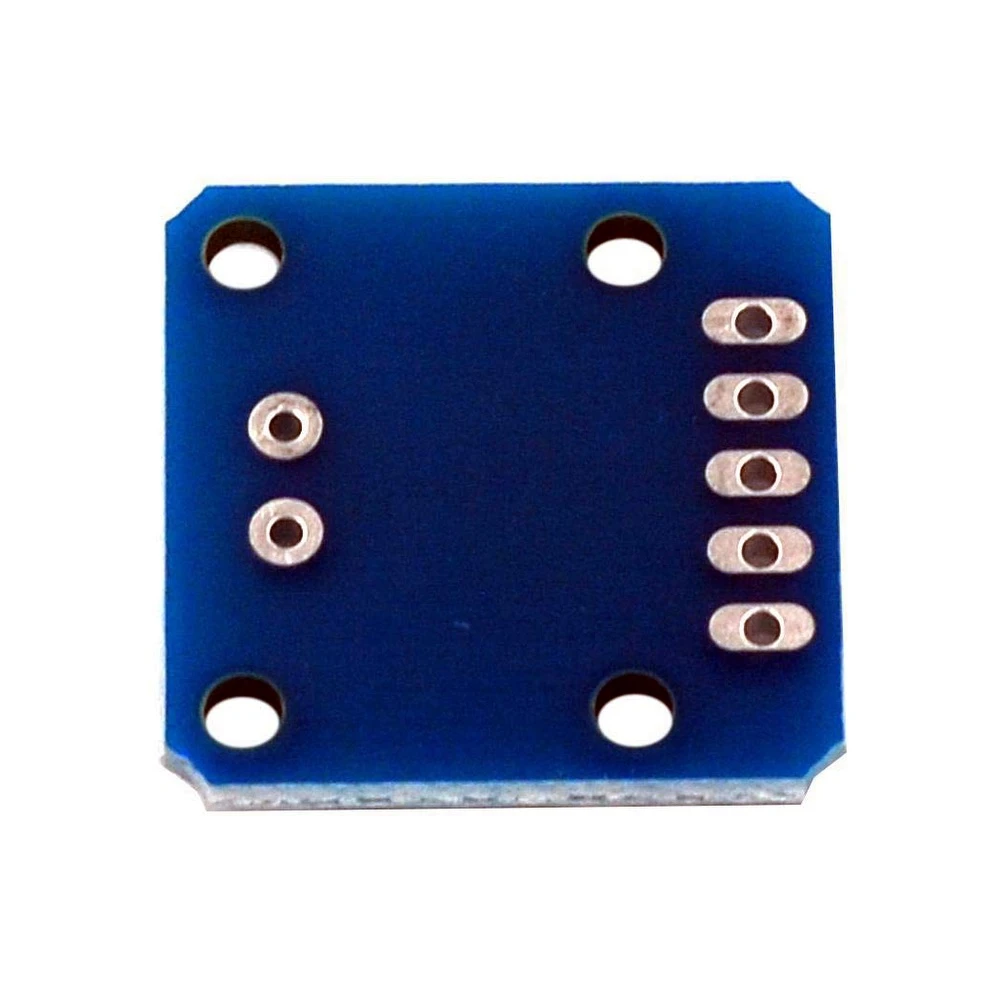
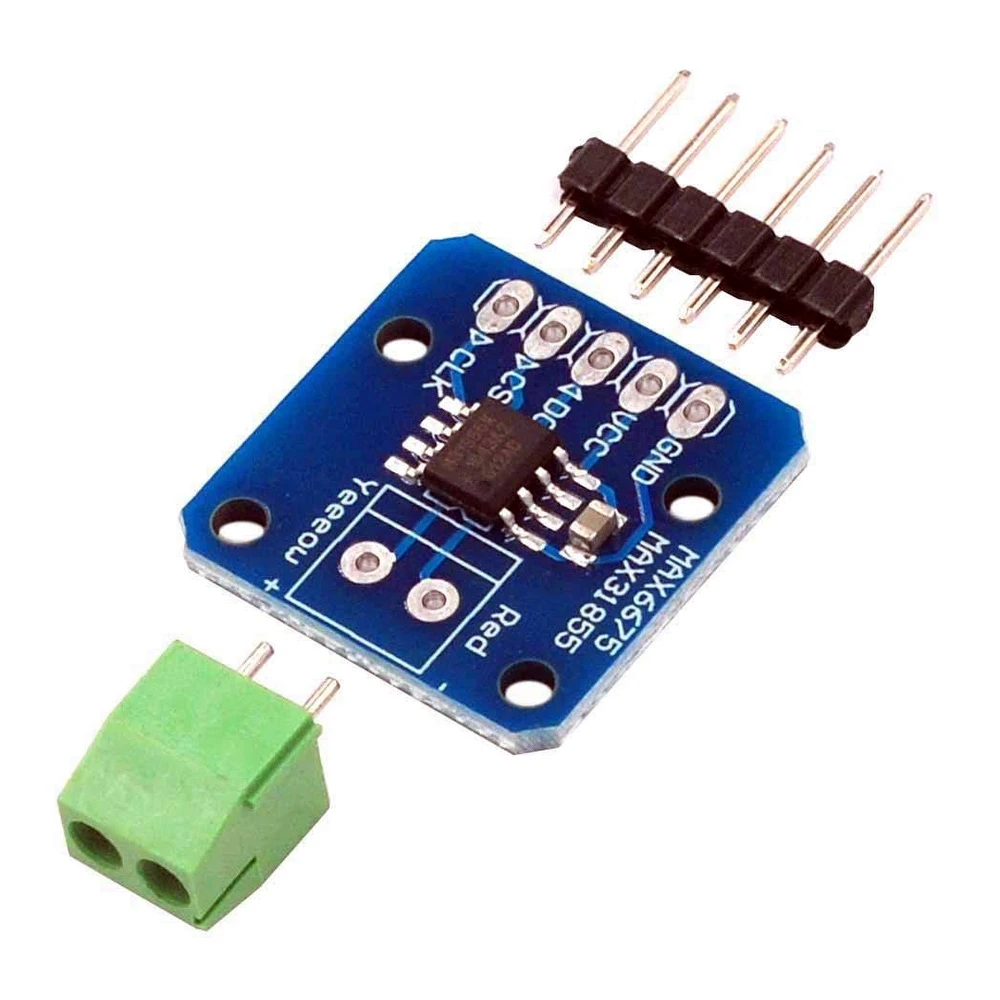
- Easy connectivity: Includes a 2-pin terminal block for the thermocouple and a pin header for connection on breadboards or perfboard.
- Compatibility: For K-type thermocouples only; not compatible with other types.
- Temperature range: 0 to 1024 °C with 0.25 °C resolution.
- Applications: Ideal for industrial uses, household appliances and HVAC systems.
For those who need support for other thermocouple types, the MAX31856 amplifier board is recommended, as it is universal and configurable for multiple types via Arduino software.
The MAX31855 board for Arduino is perfect for projects that require accurate temperature measurement with K-type thermocouples, making integration with electronic systems and microcontrollers easier thanks to its SPI interface and compact design.
You can find the Arduino library for this device in the official repository: https://github.com/adafruit/MAX6675-library
- Compatible exclusively with K-type thermocouples
- SPI interface using 3 digital pins for communication
- 3.3 to 5 V power supply compatible with Arduino
- Includes a 3.3 V regulator and bypass capacitors for stability
- 0 to 1024 °C temperature range with 0.25 °C resolution
- 2-pin terminal block for thermocouple connection
- Ideal for industrial applications, household appliances and HVAC
- Assembled and tested board ready for immediate use
Customer Questions & Answers
What are the physical dimensions, weight and components included in the box for this product?
Typical module dimensions are 25 mm × 19 mm × 5 mm, with an approximate weight of 4 g. The package includes: 1 integrated and soldered MAX31855 board, 1 2-pin terminal block, 1 male pin header. The thermocouple and any additional cables are not supplied.
Can the MAX31855 operate in industrial environments exposed to vibration or dust?
The module is suitable for integration into industrial equipment, but it does not include a sealed enclosure. For environments with vibration or dust, it is recommended to place the board in a protected enclosure and ensure secure connections in the terminal block. The chip itself and the components meet standard industrial electronics tolerances, but durability depends on the environment and the protections applied.
Which type of thermocouple is this amplifier compatible with?
This amplifier is compatible only with K-type thermocouples and does not work with other thermocouple types.
What supply voltage does the MAX31855 board need?
The board operates with a 3.3 to 5 volt power supply and logic, compatible with most Arduino boards.
How do you connect the MAX31855 amplifier to Arduino?
It connects via an SPI interface that requires three digital pins for communication between the amplifier and the Arduino.
What temperature range can this board measure?
The measurement temperature range is 0 to 1024 degrees Celsius with a resolution of 0.25 degrees.
Where can I find the Arduino library to use this amplifier?
The Arduino library for this amplifier is available at https://github.com/adafruit/MAX6675-library.
Write a customer review
Customers who bought this item also bought
-6%
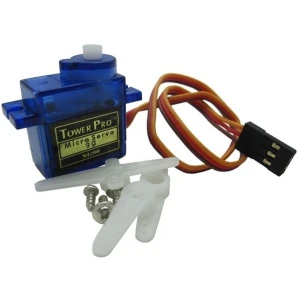
Tower Pro SG90 9g Micro Servo for Arduino - Precise, Reliable Control
4.05€
4.31 €
Only 8 left in stock
-4%
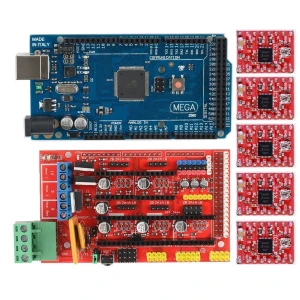
Reprap RAMPS 1.4 Pack + Arduino Mega + 5 A4988 Stepper Drivers for 3D Printers
31.03€
32.34 €
Only 6 left in stock
-2%
Your Recently Viewed Items
 MAX31855 Thermocouple Amplifier for Arduino with SPI Interface and Board
3.94 €