


3.69 €
In Stock
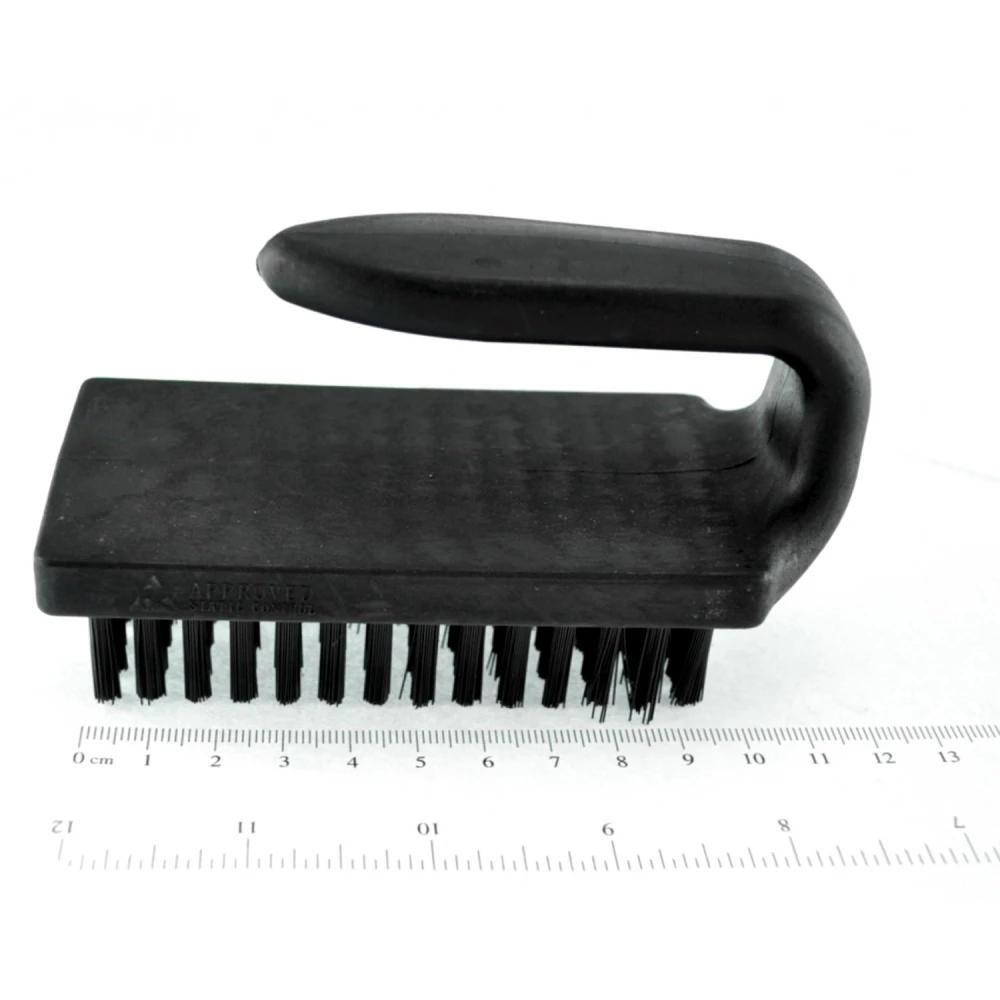
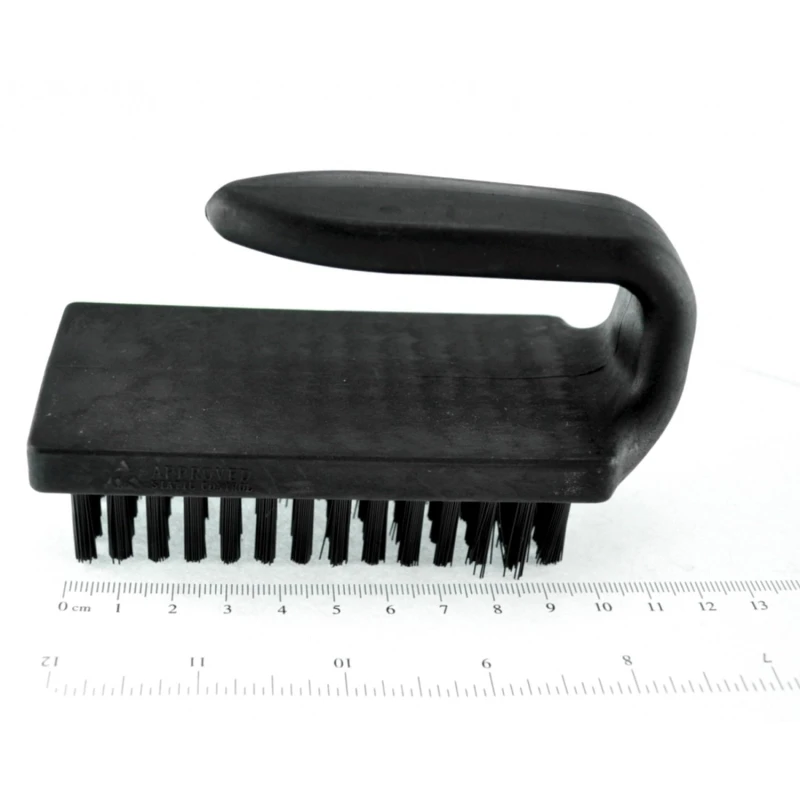
Mlink large anti-static reballing brush type-10
Brand: Mlink
3.69€
VAT included (Ex VAT: 3.00 €)
Volume Discounts
| Quantity | Price | Save |
|---|---|---|
| 2+ | 3.54 € | -4% |
| 10+ | 3.36 € | -9% |
| 20+ | 2.95 € | -20% |
Limited stock
Standard delivery
Fri, May 1 - Tue, May 5
Express delivery
Wed, Apr 29 - Thu, Apr 30
30-day returns
Free returns within 30 days
Secure transaction


Share:
Free Delivery
Shipping from €4.99
Easy Returns
30 day return policy
Secure Payment
100% secure checkout
Quality Guarantee
Original products only
The large anti-static reballing brush type-10 from Mlink is an essential tool for professionals and hobbyists carrying out reballing and electronic board (PCB) maintenance tasks. Specifically designed to prevent the build-up of static electricity, this brush ensures safe and effective cleaning of surfaces that will come into contact with solder balls.
Main features:
- Anti-static treatment: Prevents the generation of static electricity that could damage sensitive electronic components.
- Optimal dimensions: Total length of 100 mm, with 20 mm bristles and a bristle width of 90x40 mm, making it easier to clean large and delicate areas.
- Ergonomic design: Its size and shape allow comfortable and precise handling during the reballing process.
Recommended uses:
- Clean PCB boards before and after the reballing process to ensure a dust- and residue-free surface.
- Remove particles that may interfere with solder ball adhesion.
- Use in soldering stations and electronic repair workshops.
Compatibility: Compatible with any type of electronic board that requires anti-static cleaning, especially in BGA reballing processes and electronic component repair.
This brush is an essential accessory for anyone looking to maintain quality and precision in electronic soldering work, ensuring a static-free environment that could compromise the integrity of devices.
- Anti-static treatment to help prevent damage from static electricity
- 100 mm total length for comfortable handling
- 20 mm bristles for precise cleaning
- 90x40 mm bristle width to cover larger areas
- Ideal for cleaning during reballing and PCB repair processes
Customer Questions & Answers
What is the main advantage of the anti-static treatment on this brush compared with conventional brushes when cleaning PCB boards?
The anti-static treatment significantly reduces the risk of static build-up and discharge, helping to prevent damage to sensitive components during reballing or printed circuit cleaning operations, where conventional brushes may generate unintended discharges.
What materials are used for the bristles and handle of the type-10 brush, and what is its approximate weight?
The bristles are usually made from synthetic fibre with anti-static additives, and the handle is made from plastic treated to dissipate static, although the manufacturer does not specify exact details in the datasheet. Its typical weight ranges from 20 to 35 g, ideal for delicate handling.
Can this brush be used with cleaning solvents such as isopropyl alcohol without degrading the bristles?
Yes, the brush is designed to withstand most mild solvents, such as 99% isopropyl alcohol used in electronics. However, prolonged exposure to strong solvents could affect the service life of the bristles.
What maintenance or cleaning considerations are needed for the bristles to preserve their anti-static properties?
To maintain the anti-static properties, it is advisable to clean the bristles after each use with compressed air or a gentle rinse, avoiding harsh detergents or temperatures above 60°C, which can reduce anti-static effectiveness.
How does the bristle size and area (90x40 mm) compare with standard brushes for precision reballing work?
The 90x40 mm bristle area on this model is considerably larger than standard brushes (usually 40x20 mm), making it easier to clean larger PCB areas but potentially limiting precision in narrow spaces typical of SMD components.
What is the large anti-static reballing brush type-10 used for?
It is used to clean PCB boards while preventing the generation of static electricity, especially during reballing processes.
What are the brush dimensions?
The brush has a total length of 100 mm, 20 mm bristles and a bristle width of 90x40 mm.
Is it compatible with any type of electronic board?
Yes, it is compatible with any electronic board that requires anti-static cleaning, especially in BGA reballing.
What benefits does the anti-static treatment offer?
The anti-static treatment prevents damage to sensitive electronic components caused by static electricity during cleaning.
Write a customer review
Customers who bought this item also bought


Your Recently Viewed Items
Samsung Galaxy 9295 LCD repair and bonding mould for professional repairs
1.23€
Only 4 left in stock
 Mlink large anti-static reballing brush type-10
3.69 €