



3.17 €
In Stock
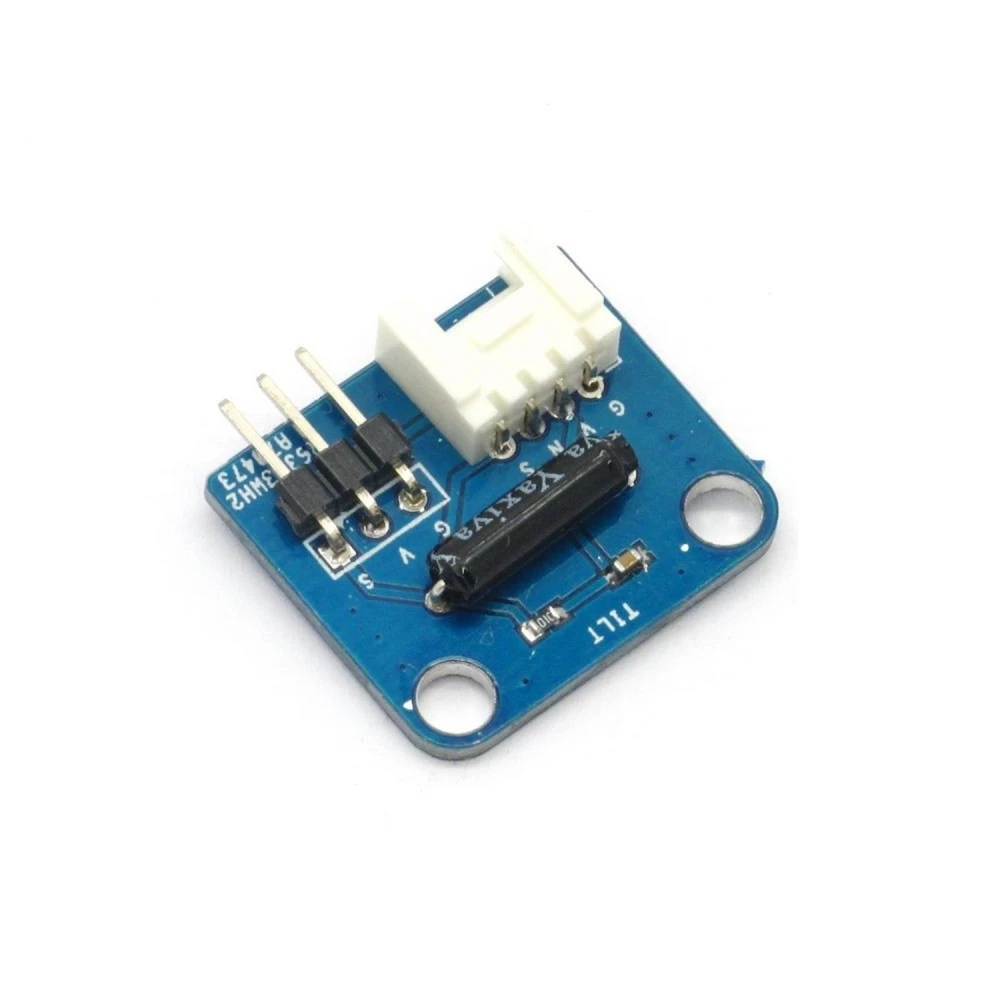
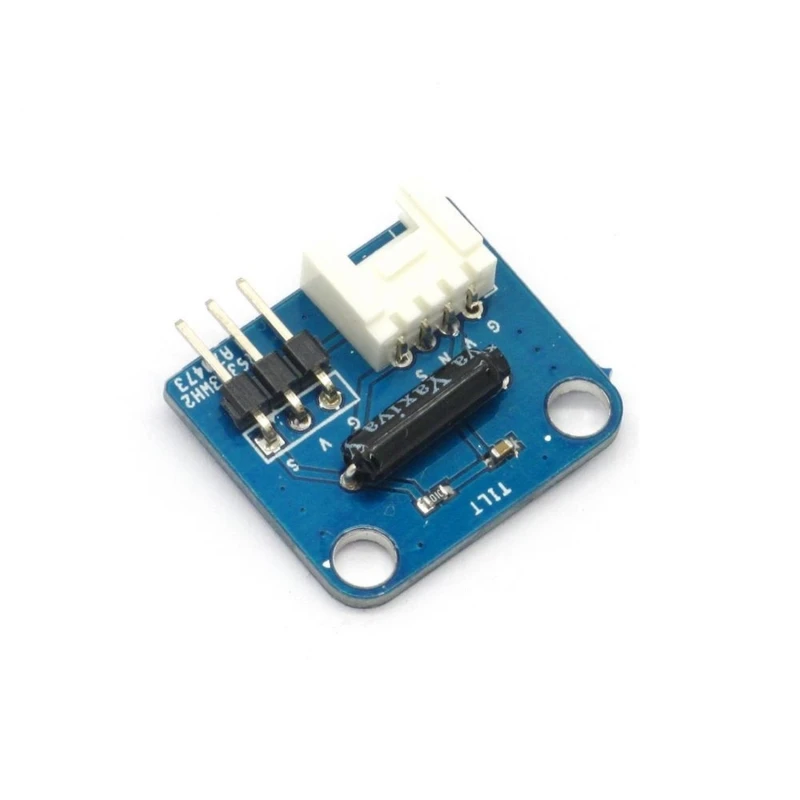
Arduino Tilt Sensor - 3PIN Switch and 5V Power
Brand: satkit
Save 11% Was: 3.57 €
3.17€
VAT included (Ex VAT: 2.58 €)
Volume Discounts
| Quantity | Price | Save |
|---|---|---|
| 2+ | 3.42 € | -4% |
| 10+ | 3.25 € | -9% |
| 20+ | 2.85 € | -20% |
Limited stock
Standard delivery
Wed, Apr 29 - Fri, May 1
Express delivery
Mon, Apr 27 - Tue, Apr 28
30-day returns
Free returns within 30 days
Secure transaction






Share:
Free Delivery
Shipping from €4.99
Easy Returns
30 day return policy
Secure Payment
100% secure checkout
Quality Guarantee
Original products only
Arduino Tilt Sensor - Compact and efficient switch
This tilt sensor for Arduino is an essential electronic component for detecting changes in angle or position in your electronics and robotics projects. With a compact design and a simple 3-pin connection, it is compatible with most Arduino boards and other microcontrollers operating at 5V.
- Connection: 3PIN for easy integration with Arduino boards.
- Power: 5V, ideal for low-power systems and educational projects.
- Size: 24 × 21 × 1.6 mm, compact and lightweight for mounting in tight spaces.
- Weight: 15 grams, making it easy to use in portable devices or small robots.
This sensor works as a switch that changes state when it detects a tilt, allowing circuits to be activated or deactivated depending on the sensor position. It is ideal for applications such as:
- Tilt detection in mobile robots or autonomous vehicles.
- DIY and electronics education projects for learning about sensors and motion control.
- Devices that require position or angle monitoring for safety or automation.
Thanks to its compatibility with Arduino, it is easy to use with libraries and examples available in the community, allowing beginners and experts to incorporate angle detection into their projects without complications.
The Arduino tilt sensor is an economical and reliable option for those looking for quality electronic components for their DIY, robotics or electronic instrumentation projects.
- 3PIN connection for easy integration with Arduino
- 5V power compatible with most Arduino boards
- Compact size of 24 × 21 × 1.6 mm for space-limited projects
- Lightweight at 15 grams for portable applications
- Ideal for DIY projects, robotics and electronics education
Customer Questions & Answers
What is the main function of this tilt sensor and which applications is it recommended for?
The tilt sensor works as a switch that activates when its angular position changes beyond a certain threshold. It is useful for detecting whether an object has been tilted or tipped over, and can be used in alarm systems, levelling, robotics and interactive games.
What are the exact dimensions, weight, and package contents when received?
The module measures 24 mm x 21 mm x 1.6 mm and weighs 15 g. The package includes the assembled sensor and, generally, does not include cables or additional accessories unless stated by the supplier.
Which platforms and voltages is this sensor compatible with, and what type of connection does it use?
It is compatible with Arduino and microcontrollers operating at 5 V DC. The connection is via a 3-pin header: VCC (5 V), GND and digital signal, making it easy to integrate into standard boards.
Does it require any calibration, maintenance or special care to maximise its service life?
No specific calibration is required. It is advisable to avoid dusty or excessively humid environments, and not to apply force to the capsule to prevent mechanical failure.
What is the sensor's activation angle accuracy, and is there an alternative with greater precision?
This sensor activates at approximately 15 to 45° of tilt. It does not provide continuous measurement or angular accuracy. For higher precision requirements, MEMS-based sensors provide real-time angle data.
How do you connect the Arduino tilt sensor?
It connects via its 3-pin interface to the Arduino board, generally with 5V power, ground and signal.
What voltage does the Arduino tilt sensor require?
The sensor operates with a 5V supply, compatible with most Arduino boards.
What projects is this sensor ideal for?
It is ideal for robotics projects, position detection, electronic DIY and Arduino education.
What is the size of the sensor?
The sensor measures 24 × 21 × 1.6 mm, making it compact and easy to integrate in tight spaces.
Write a customer review
Customers who bought this item also bought
-13%
-13%
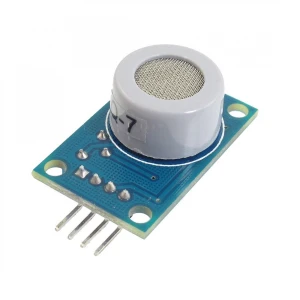
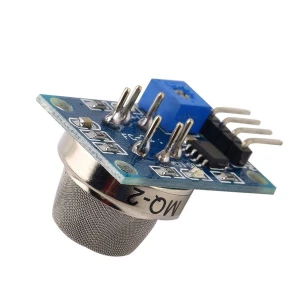
MQ-2 Smoke and Gas Sensor for Arduino - Compatible Detector Module
3.00€
3.44 €
Only 6 left in stock
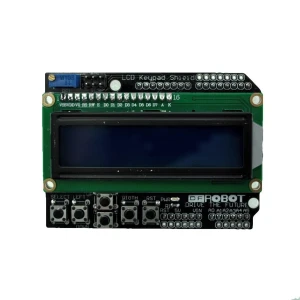
LCD Keypad Shield LCD1602 Compatible with Arduino with Built-in Display and Buttons
4.92€
Only 10 left in stock
Your Recently Viewed Items
-3%
 Arduino Tilt Sensor - 3PIN Switch and 5V Power
3.17 €3.57 €