




3.44 €
In Stock
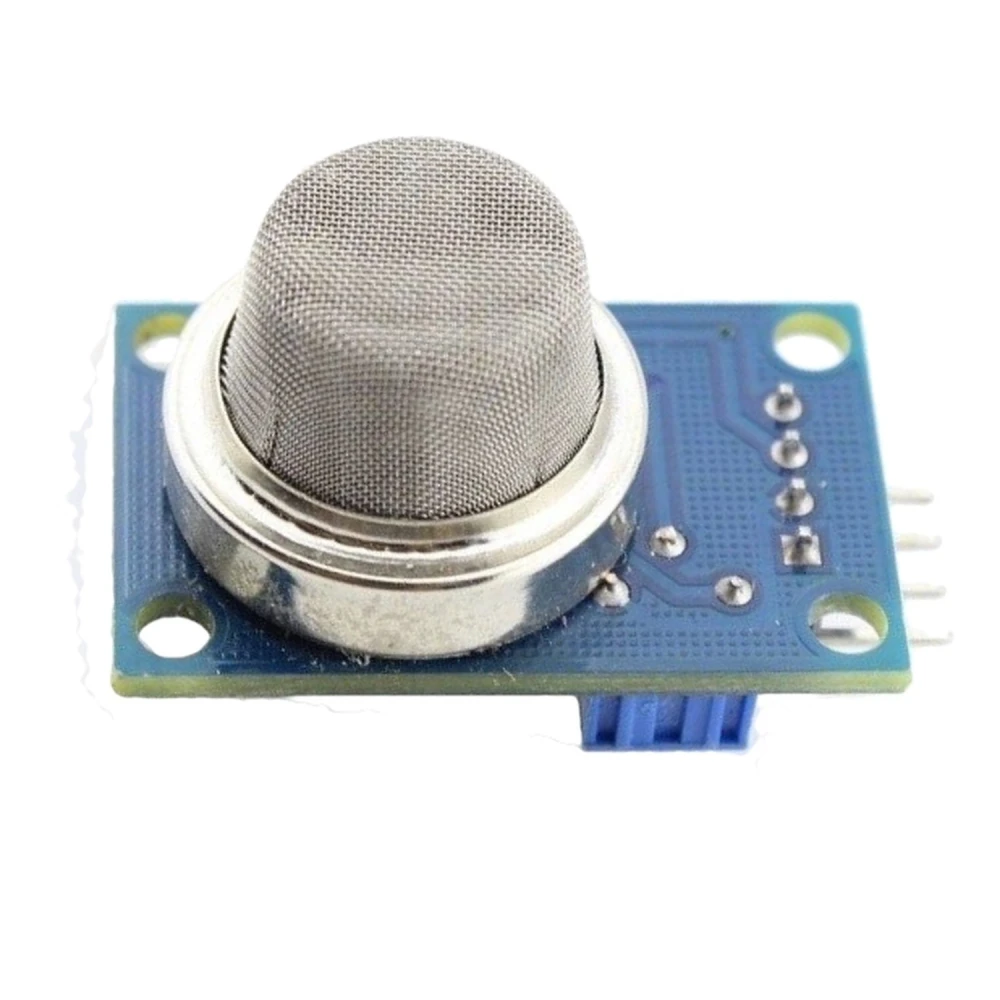
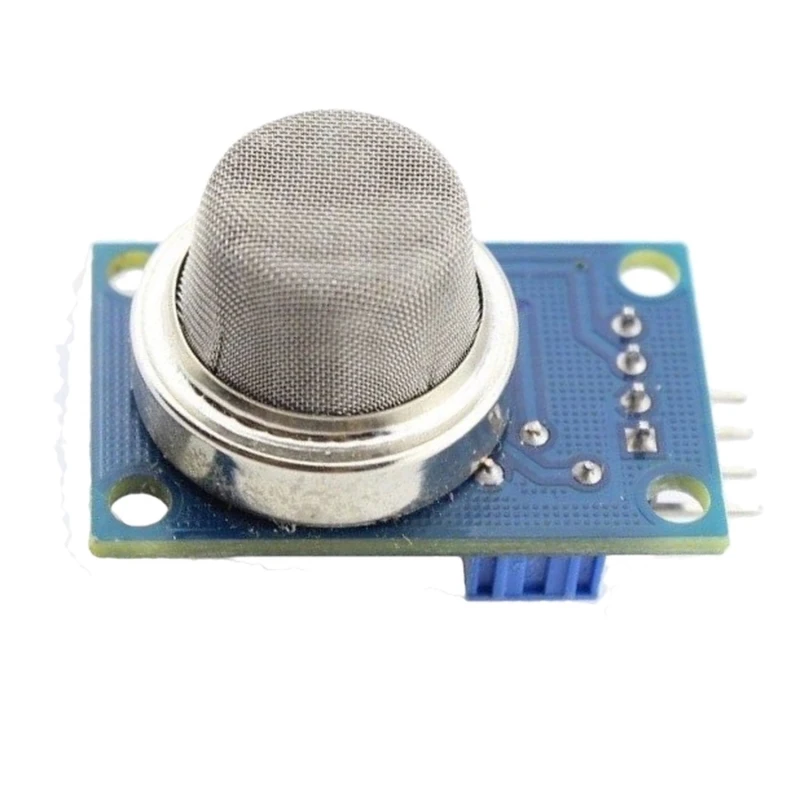
MQ135 Air Quality Sensor for Arduino - Compatible Gas and Pollution Detector
Brand: satkit
3.44€
VAT included (Ex VAT: 2.80 €)
Volume Discounts
| Quantity | Price | Save |
|---|---|---|
| 2+ | 3.31 € | -4% |
| 10+ | 3.13 € | -9% |
| 20+ | 2.76 € | -20% |
Limited stock
Standard delivery
Thu, Apr 30 - Mon, May 4
Express delivery
Tue, Apr 28 - Wed, Apr 29
30-day returns
Free returns within 30 days
Secure transaction


Share:
Free Delivery
Shipping from €4.99
Easy Returns
30 day return policy
Secure Payment
100% secure checkout
Quality Guarantee
Original products only
Product description
The MQ135 air quality sensor for Arduino is a module designed to detect air quality by measuring common pollutant gases. This sensor is compatible with Arduino boards, making it easy to integrate into environmental monitoring and pollution detection projects.
Main features
- Operating voltage: 5V DC.
- Pin configuration: 1 - analogue output, 2 - GND, 3 - VCC.
- Dual output: analogue and TTL level, for greater flexibility in data reading.
- High sensitivity to harmful gases such as ammonia (NH3), nitrogen oxides (NOx), alcohol, sulphide, benzene (C6H6), carbon monoxide (CO) and smoke.
- Fast response for efficient detection of changes in air quality.
- Sensor with long service life and reliable stability.
- Adjustable sensitivity via integrated potentiometer.
- Detection range: 10 to 1000 ppm.
- Compact size: 32 mm x 22 mm x 24 mm.
- Module with standard connection pins for easy integration.
Typical uses
This sensor is ideal for home automation projects, weather stations, smart ventilation systems, and any application that requires indoor or outdoor air quality monitoring. Its compatibility with Arduino makes it perfect for hobbyists and professionals looking for an economical and reliable solution.
Compatibility
Compatible with Arduino boards and other microcontrollers that support analogue or digital TTL input. Its simple connection allows it to be used in a wide variety of electronic projects.
Technical specifications
| Parameter | Detail |
|---|---|
| Operating voltage | 5V DC |
| Pins | 1 analogue output, 2 GND, 3 VCC |
| Output | Analogue and TTL |
| Detected gases | Ammonia, nitrogen oxides, alcohol, sulphide, benzene, carbon monoxide, smoke |
| Detection range | 10-1000 ppm |
| Size | 32 x 22 x 24 mm |
| Sensitivity | Adjustable by potentiometer |
Important note: This description focuses exclusively on the MQ135 sensor. It does not include specifications for other sensors such as the MQ-2 that may be present in additional information.
- Operating voltage: 5V DC
- Analogue and TTL level output for flexibility
- High sensitivity to harmful gases such as NH3, NOx, CO, alcohol and more
- Fast, stable response with long service life
- Sensitivity adjustable via potentiometer
- Detection range from 10 to 1000 ppm
- Compact size for easy integration into Arduino projects
- Standard connection pins for simple mounting
Customer Questions & Answers
Does the MQ-135 require initial calibration and how is this done?
Yes, the MQ-135 requires initial calibration to achieve accurate readings. The process includes exposing it to clean air to adjust the base resistance (R0) using the built-in potentiometer. To quantify specific gases, it is advisable to compare the analogue reading against certified standards or known atmospheres.
How does the MQ-135 differ from sensors such as the MQ-2 in terms of applications and sensitivity?
The MQ-135 is optimised for toxic gases and air quality (NH3, CO, NOx, benzene), whereas the MQ-2 is more specific for detecting combustible gases and smoke (propane, methane, LPG). The MQ-2 detection range is 300-10,000 ppm, higher than the MQ-135, but it is less sensitive to non-combustible air pollutants. The choice depends on the gas of interest in the application.
What is the MQ135 air quality sensor for Arduino used for?
The MQ135 sensor detects pollutant gases in the air, such as ammonia, nitrogen oxides, alcohol, carbon monoxide and others, allowing air quality to be monitored in Arduino projects.
Is the MQ135 sensor compatible with Arduino boards?
Yes, the MQ135 sensor is compatible with Arduino boards and other microcontrollers that support analogue or digital TTL input.
What is the detection range of the MQ135 sensor?
The MQ135 sensor can detect gases in an approximate range of 10 to 1000 ppm.
How do you connect the MQ135 sensor to Arduino?
The MQ135 sensor has three pins: analogue output, GND and VCC (5V). Connect the output to an Arduino analogue pin, GND to ground and VCC to 5V.
Can the sensitivity of the MQ135 sensor be adjusted?
Yes, the sensitivity of the MQ135 sensor can be adjusted using an integrated potentiometer on the module.
Write a customer review
Customers who bought this item also bought
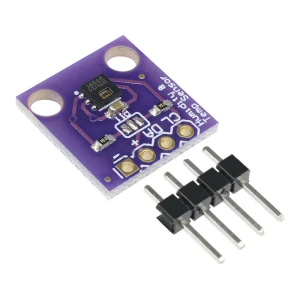
Replacement Temperature and Humidity Sensor SI7021 HTU21D SHT21 SHT20 HDC1080
3.69€
Only 10 left in stock
Your Recently Viewed Items
 MQ135 Air Quality Sensor for Arduino - Compatible Gas and Pollution Detector
3.44 €