



4.92 €
In Stock
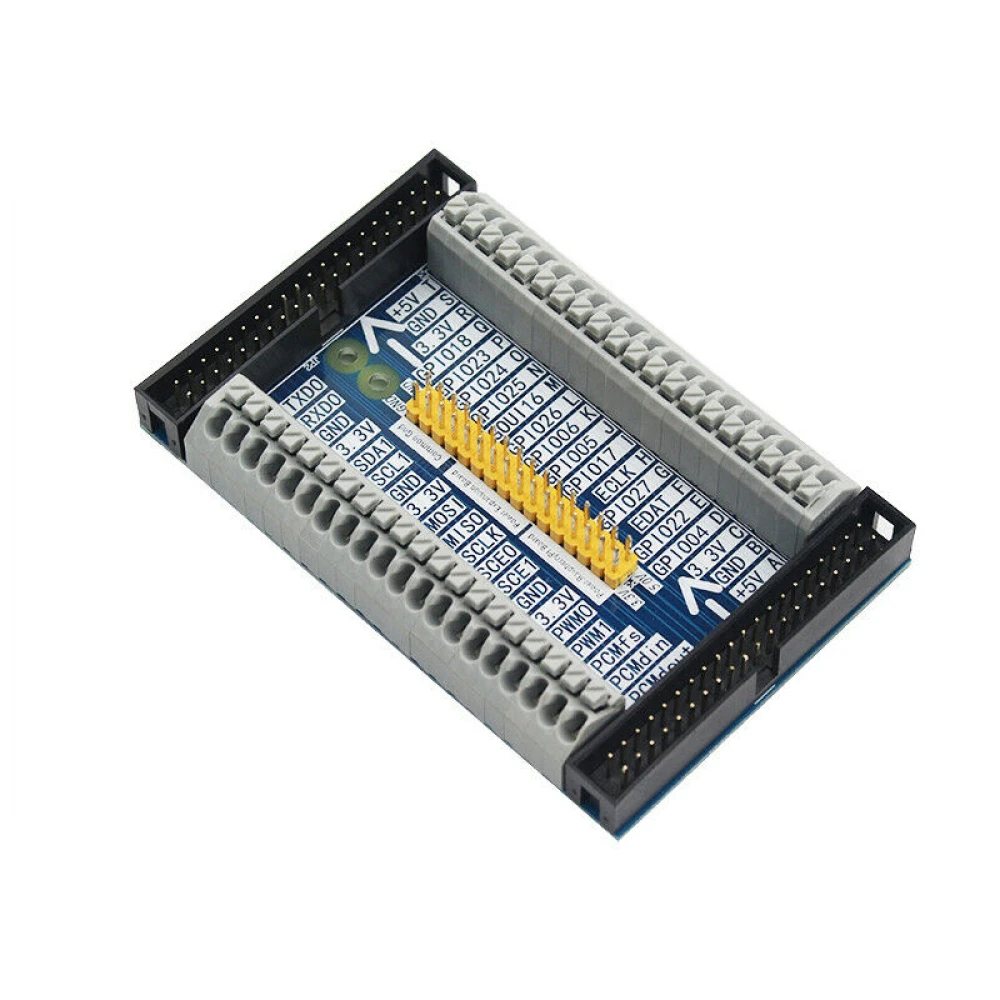
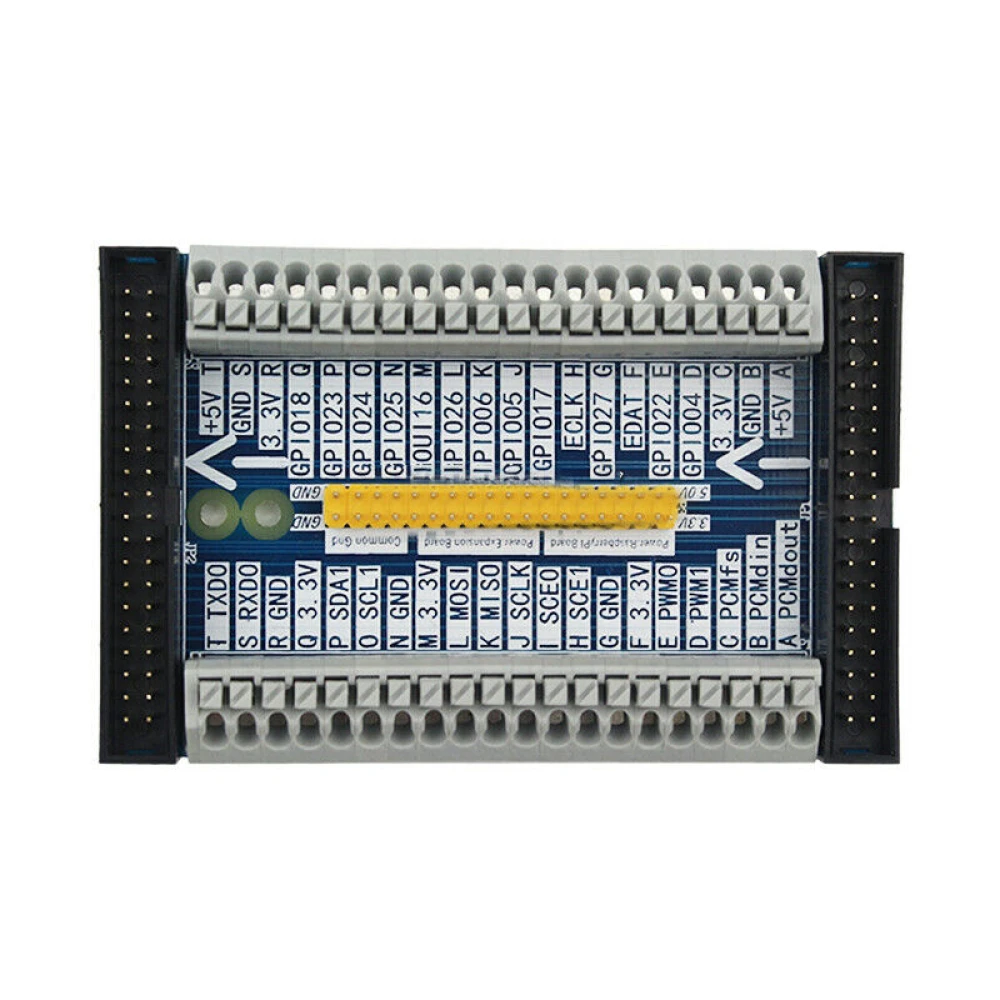
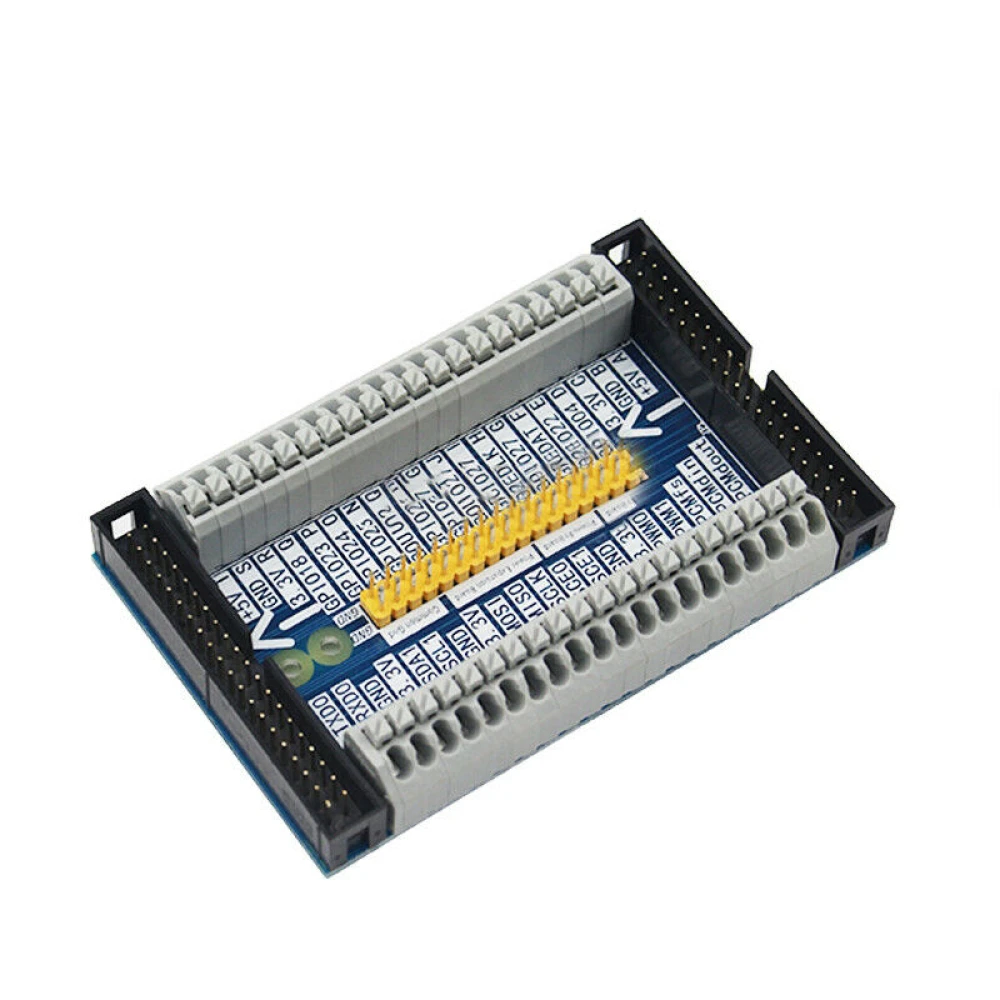
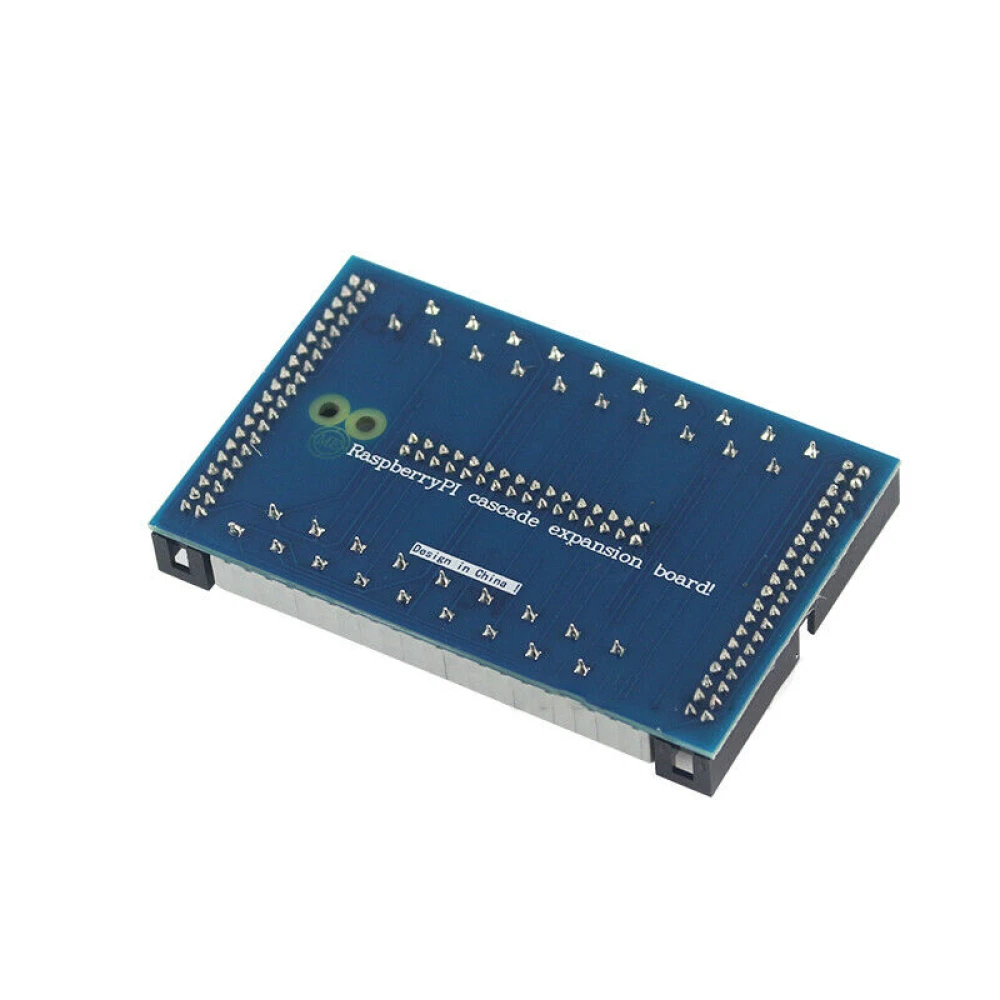
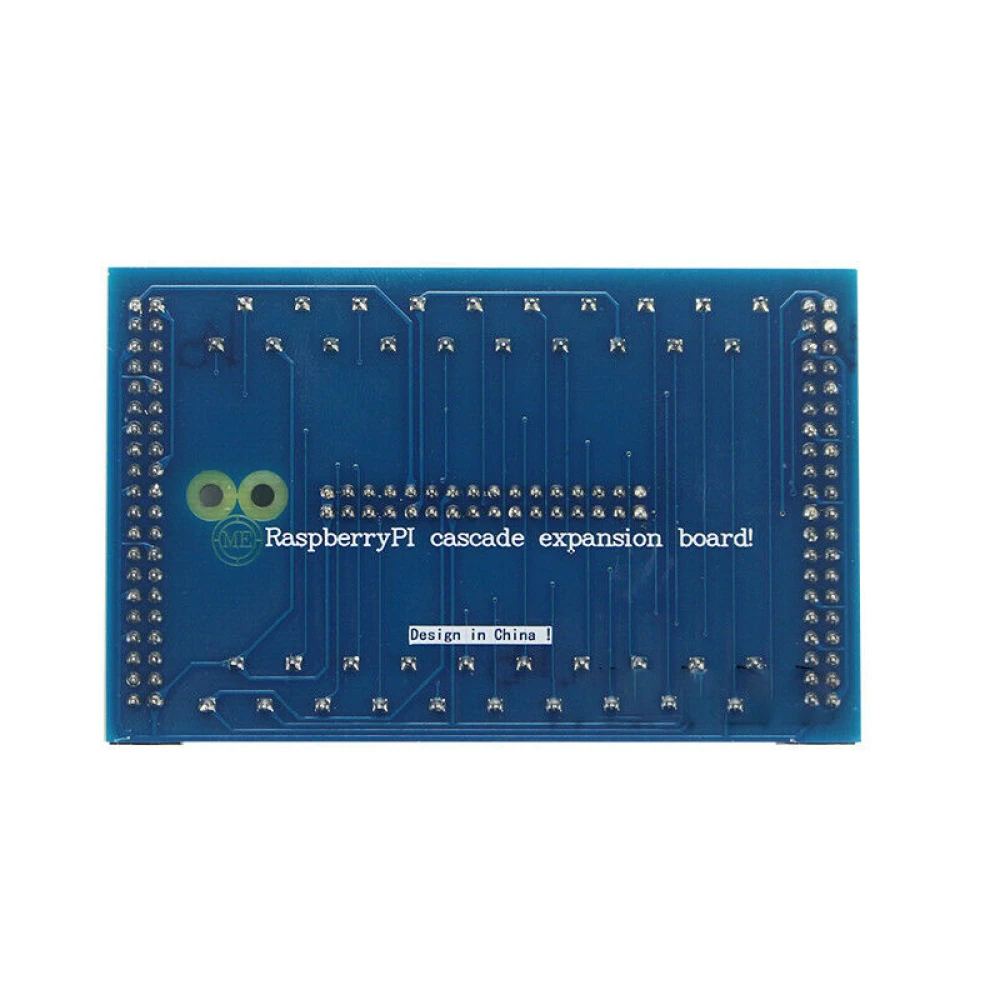
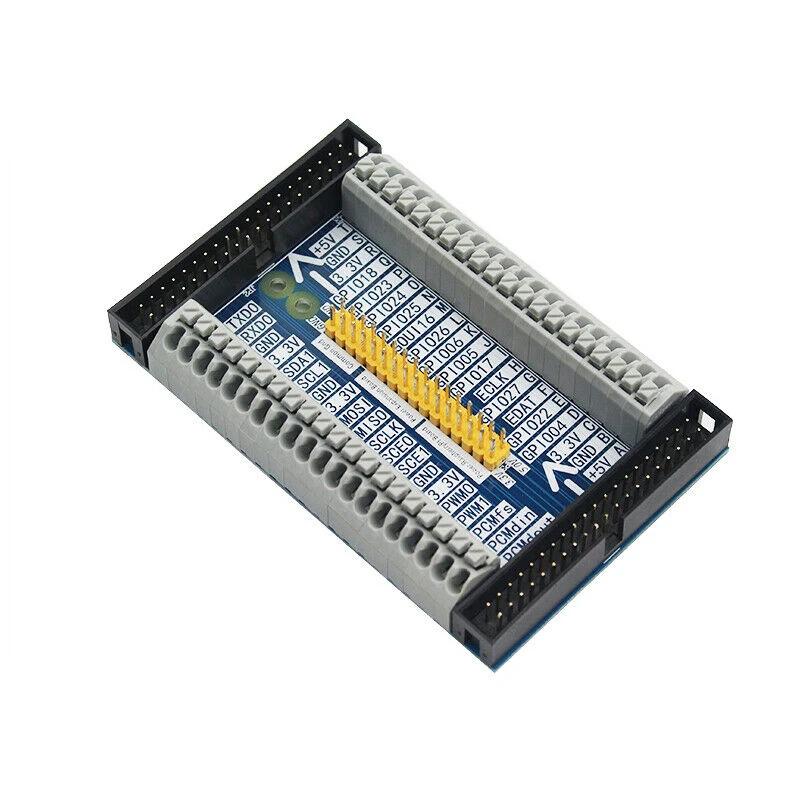
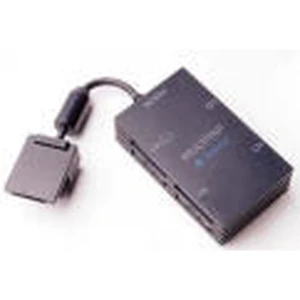
Multifunction GPIO Expansion Board for Raspberry Pi B+ and 3B
Brand: satkit
4.92€
VAT included (Ex VAT: 4.00 €)
Limited stock
Standard delivery
Wed, Apr 29 - Fri, May 1
Express delivery
Mon, Apr 27 - Tue, Apr 28
30-day returns
Free returns within 30 days
Secure transaction






Share:
Free Delivery
Shipping from €4.99
Easy Returns
30 day return policy
Secure Payment
100% secure checkout
Quality Guarantee
Original products only
GPIO Multifunction Multiplexing Expansion Board Module for Raspberry Pi B+/3B
This GPIO expansion module is designed to expand the capabilities of your Raspberry Pi, allowing multiplexing of multiple GPIO interfaces on a single pin. It is compatible with Raspberry Pi B+, 3B, 2 Model B and 4 Model B, offering a modular solution for electronics and automation projects.
Main features:
- Multiplexing of multiple GPIO interfaces to maximise functionality.
- Corresponding GPIO pin for the reference function for easy integration.
- Modular design compatible with Raspberry Pi B+/3B/2 Model B/4 Model B.
- Ideal for projects that require GPIO pin expansion without losing functionality.
Specifications and compatibility:
- Compatibility: Raspberry Pi B+, 3B, 2 Model B and 4 Model B.
- Function: Expansion and multiplexing of GPIO pins.
- Use: Expand GPIO interfaces for electronics projects, robotics, home automation and prototyping.
Typical applications:
- Automation and control projects that require multiple GPIO inputs and outputs.
- Prototype development with the need to manage several devices connected to the Raspberry Pi.
- Implementation of multiplexing systems to optimise the use of limited pins.
Package contents:
- 1 x GPIO Multifunction Multiplexing Expansion Board Module for Raspberry Pi B+/3B.
This module is an essential accessory for those looking to expand the capabilities of their Raspberry Pi efficiently and modularly, making it easier to manage multiple devices and sensors through a single GPIO pin.
- Multiplexes multiple GPIO interfaces for Raspberry Pi.
- Compatible with Raspberry Pi B+, 3B, 2 Model B and 4 Model B.
- Modular design for easy integration and expansion.
- Lets you expand the functionality of GPIO pins.
- Ideal for electronics, robotics and automation projects.
Customer Questions & Answers
What advantages does this GPIO expansion module offer compared with using the Raspberry Pi pins directly?
The expansion module makes the GPIO pins easier to access and organise, reduces the risk of damaging the Raspberry Pi during testing, and allows multiple modules or sensors to be connected via different interfaces. It provides greater safety and tidiness in complex prototypes, although it adds a little height and a possible extra point of failure.
What are the physical dimensions and approximate weight of the module? Could it interfere with standard cases?
Typical dimensions for a GPIO expansion module are approximately 67 mm x 57 mm x 15 mm, with a weight of between 20 and 30 g. In tight setups, it may interfere with very compact cases, especially closed cases over the GPIO pins.
Is soldering or any modification required to install the expansion module?
No. This module uses a 40-pin female header and simply plugs onto the Raspberry Pi GPIO header. No tools, soldering or changes to the main board are required.
What is the recommended current limit when using several peripherals through the module? Can it cause voltage drops?
The limit is set by the Raspberry Pi: in general, it is recommended not to exceed 50 mA per GPIO and 500 mA in total for all connected peripherals. The module introduces minimal resistance (mΩ) but is not designed for high loads. It will generally not cause noticeable voltage drops unless the recommended capacity is exceeded.
Which Raspberry Pi models is this board compatible with?
It is compatible with Raspberry Pi B+, 3B, 2 Model B and 4 Model B.
What does this GPIO expansion board do?
It allows multiplexing of multiple GPIO interfaces to expand the functionality of the Raspberry Pi pins.
Does it include all the components needed for installation?
The package includes the expansion board module, but does not include cables or additional tools.
Is this board suitable for robotics projects?
Yes, it is ideal for projects that require multiple GPIO inputs and outputs, such as robotics and automation.
Write a customer review
Customers who bought this item also bought


Your Recently Viewed Items



-2%



 Multifunction GPIO Expansion Board for Raspberry Pi B+ and 3B
4.92 €