


2.71 €
In Stock
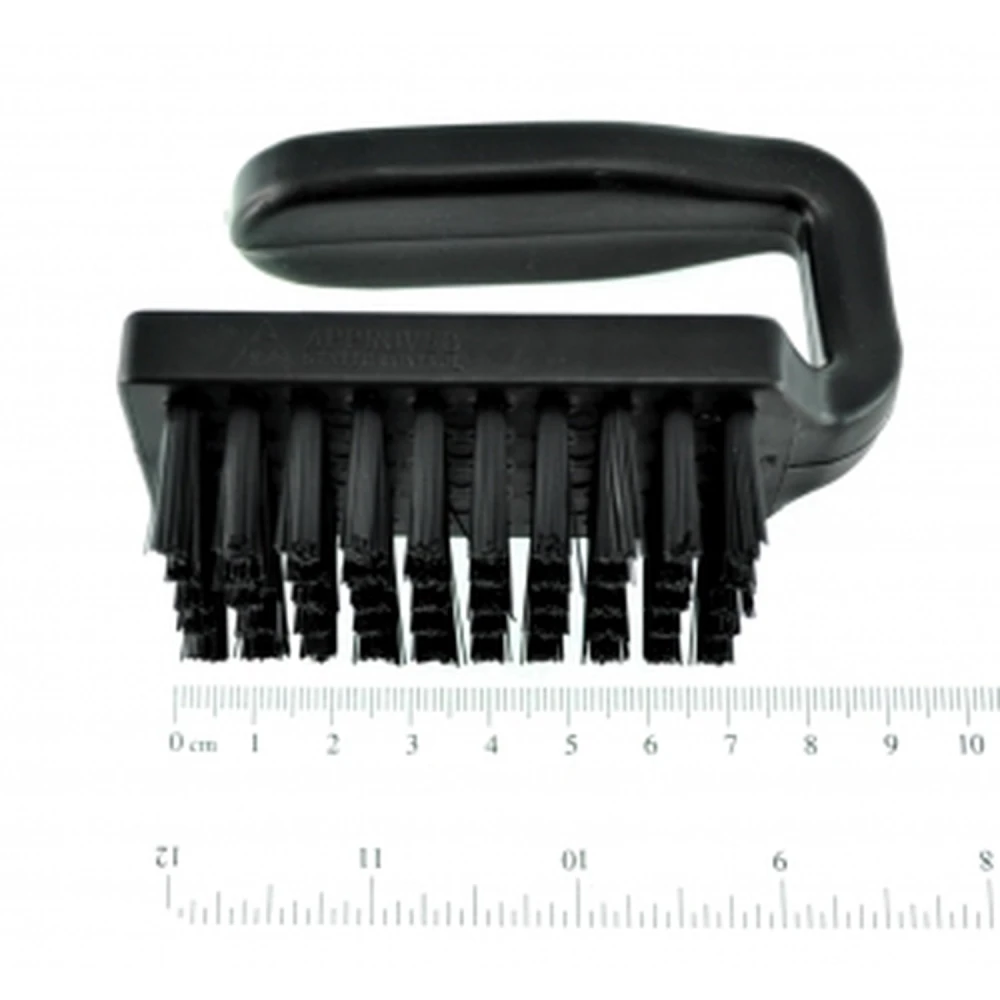
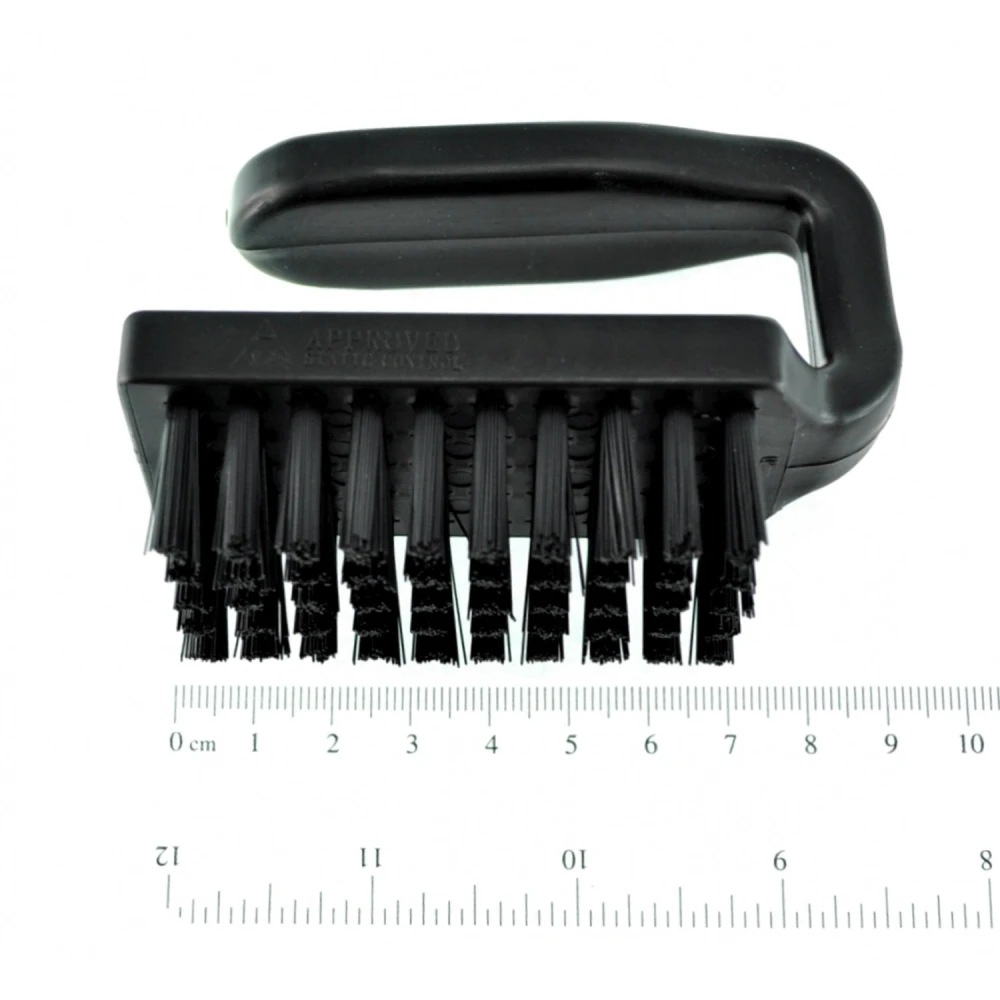
Large anti-static brush for reballing type-9 for professional PCB cleaning
Brand: Mlink
2.71€
VAT included (Ex VAT: 2.20 €)
Volume Discounts
| Quantity | Price | Save |
|---|---|---|
| 2+ | 2.60 € | -4% |
| 10+ | 2.46 € | -9% |
| 20+ | 2.16 € | -20% |
In Stock - Ships immediately
Standard delivery
Fri, May 1 - Tue, May 5
Express delivery
Wed, Apr 29 - Thu, Apr 30
30-day returns
Free returns within 30 days
Secure transaction


Share:
Free Delivery
Shipping from €4.99
Easy Returns
30 day return policy
Secure Payment
100% secure checkout
Quality Guarantee
Original products only
The large anti-static brush for reballing type-9 is an essential tool for technicians and professionals working on the cleaning and maintenance of printed circuit boards (PCB) during reballing processes. Its design is specifically intended to prevent the build-up of static electricity, protecting delicate electronic components during cleaning.
This brush features an anti-static treatment that minimises the risk of electrostatic discharge that could damage sensitive surfaces or electronic components. It is ideal for cleaning the areas where solder balls will later be placed, ensuring a clean surface free from residue.
- Total length: 90 mm
- Bristle length: 18 mm
- Bristle width: 65 x 30 mm
- Anti-static treatment: Yes, to prevent static electricity
- Main use: PCB cleaning in reballing processes
This brush is compatible with various soldering stations and reballing equipment, especially in applications where careful cleaning is required to ensure proper adhesion of the solder balls. Its large size makes it easier to clean wider areas on the board efficiently.
In addition, the type-9 anti-static brush from the Mlink brand is a reliable accessory for electronics repair workshops, console maintenance, automotive applications and other sectors that require precision and care when handling electronic components.
With this brush, professionals can carry out cleaning tasks safely and efficiently, avoiding damage from static electricity and ensuring quality in reballing and soldering processes.
- Anti-static treatment to help prevent electrostatic discharge
- 90 mm total length for comfortable handling
- 18 mm bristles and 65x30 mm width for effective cleaning
- Ideal for PCB cleaning in reballing processes
- Compatible with soldering stations and type 9 reballing equipment
Customer Questions & Answers
What advantages does the anti-static treatment of the brush offer compared with a conventional brush when cleaning PCBs during reballing?
The anti-static treatment significantly reduces the risk of static electricity build-up and discharge, which could damage sensitive electronic components during PCB cleaning, especially before reballing. A conventional brush does not offer this protection and may pose a risk to the integrity of integrated circuits.
Can this brush be used with common solvents or is dry use recommended only?
The brush can be used both dry and with solvents compatible with synthetic fibres, such as isopropyl alcohol. However, it is recommended to avoid very aggressive solvents that could damage the anti-static treatment or degrade the bristles over time.
What maintenance recommendations help preserve the anti-static properties and ensure efficient cleaning each time?
It is recommended to clean the bristles after each use with compressed air or by briefly soaking them in isopropyl alcohol and allowing them to dry completely. Avoid prolonged contact with strong chemicals and store in a dry environment, away from heat and dust, to preserve the anti-static treatment.
What practical differences are there between this Type-9 model and other anti-static reballing brushes available on the market?
The Type-9 model stands out for its larger useful area (65x30 mm), allowing wide areas to be cleaned more quickly and with less effort. Compared with smaller models or those with finer bristles, it offers greater sweeping capacity, although it may be less suitable for very narrow areas or densely packed components.
What is the large anti-static brush for reballing type-9 used for?
It is used to clean PCB boards during reballing processes, avoiding static electricity that can damage electronic components.
What are the brush dimensions?
The brush has a total length of 90 mm, bristles 18 mm long, and a bristle width of 65x30 mm.
Is it compatible with other soldering tools?
Yes, it is compatible with various soldering stations and reballing equipment, especially type 9.
Does the brush prevent static electricity?
Yes, it has an anti-static treatment that minimises the build-up of static electricity during use.
Write a customer review
Customers who bought this item also bought


Your Recently Viewed Items
 Large anti-static brush for reballing type-9 for professional PCB cleaning
2.71 €