


11.07 €
In Stock
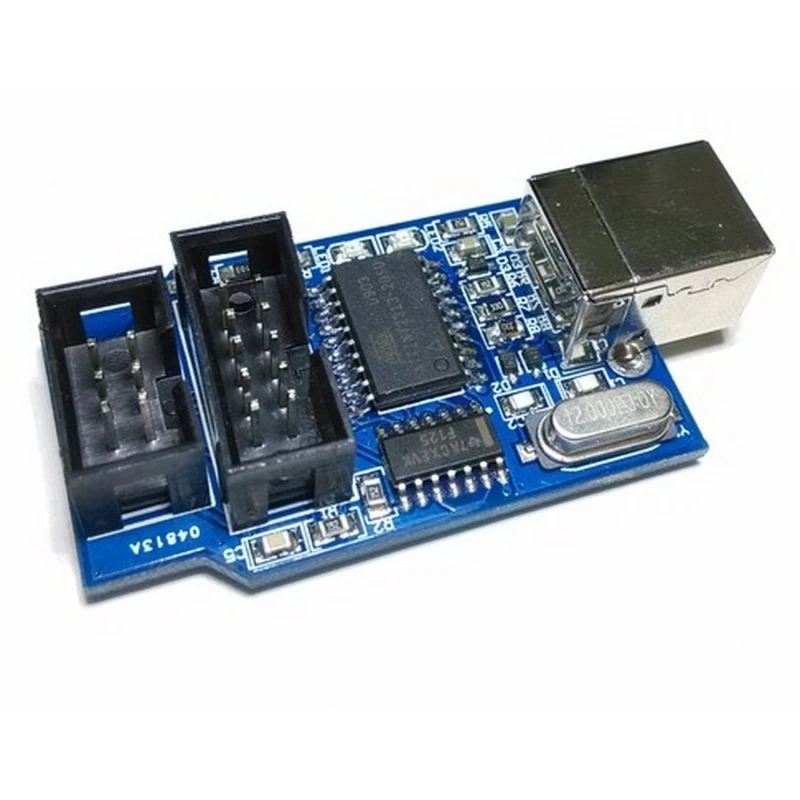
USBtinyISP AVR V2 Programmer - Affordable AVR Programmer for Arduino
Brand: satkit
11.07€
VAT included (Ex VAT: 9.00 €)
Volume Discounts
| Quantity | Price | Save |
|---|---|---|
| 2+ | 10.63 € | -4% |
| 10+ | 9.78 € | -12% |
| 20+ | 9.08 € | -18% |
Only 2 left in stock - order soon!
Standard delivery
Wed, Apr 29 - Fri, May 1
Express delivery
Mon, Apr 27 - Tue, Apr 28
30-day returns
Free returns within 30 days
Secure transaction






Share:
Free Delivery
Shipping from €4.99
Easy Returns
30 day return policy
Secure Payment
100% secure checkout
Quality Guarantee
Original products only
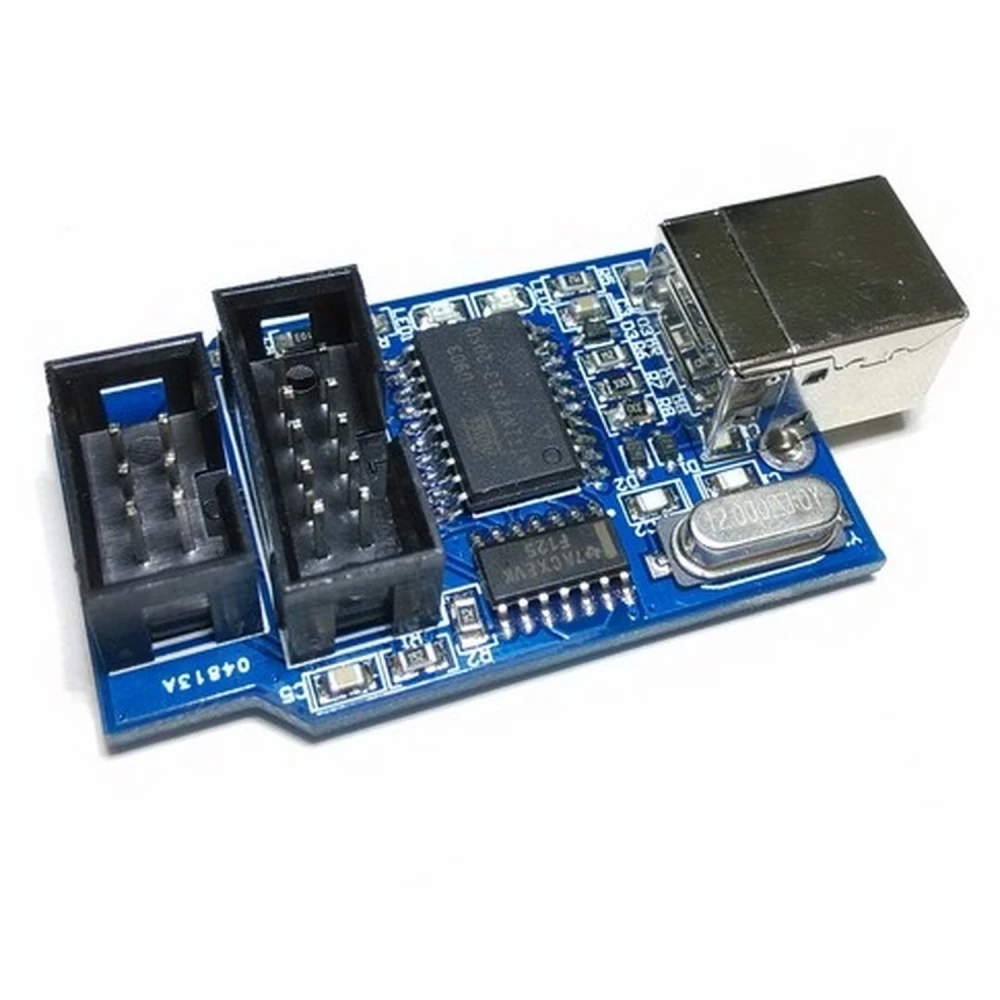
The USBtinyISP AVR V2 Programmer is a simple, affordable USB programmer designed for AVR microcontrollers. It works as an SPI interface for programming compatible devices via ISP (In-System Programming) connection.
This programmer is compatible with avrdude software and is recognised by AVRStudio, making it ideal for users who want to program AVR chips from Windows XP and Mac OS X systems.
- Compatibility: Supports in-circuit programming of AVR microcontrollers compatible with avrdude.
- Connectors: Includes standard 6- and 10-pin ISP cables for simple, versatile connection.
- Limitations: Does not support JTAG, DebugWire or high-voltage programming. It also cannot program chips with more than 64 KB of flash memory, such as Atmega1280/1281 or Atmega2560/2561.
- Typical use: Ideal for reprogramming bootloaders on Arduino boards and for electronics projects that require AVR microcontroller programming.
- Design: Based on the USBtiny code and design, known for its efficiency and simplicity.
Kit contents:
- 1 x USBtinyISP AVR V2 Programmer
- 1 x 6-pin ISP cable
This programmer is an essential tool for electronics hobbyists and professionals looking for an affordable, reliable solution for programming AVR microcontrollers. Its compatibility with popular platforms and ease of use make it a preferred choice for Arduino projects and other AVR-based devices.
- Affordable and simple USB AVR programmer
- Compatible with avrdude and AVRStudio
- 6- and 10-pin ISP connections included
- Compatible with Windows XP and Mac OS X
- Allows bootloader reprogramming on Arduino boards
- Does not support JTAG, DebugWire or high-voltage programming
- Not compatible with chips over 64 KB flash (Atmega1280/1281, Atmega2560/2561)
- Based on the USBtiny design and code
Customer Questions & Answers
What are the installation requirements and which operating systems are compatible?
The programmer requires an available USB port and the use of avrdude or compatible software. It is compatible with Windows XP and Mac OS X, although on current versions of Windows (7/10/11) manual driver installation may be required. It is not officially supported on Linux, although community users have reported compatibility via libusb libraries.
What maintenance procedure is needed to keep it working properly, and what durability aspects should be considered?
The USBtinyISP does not require periodic maintenance; it is recommended to avoid exposure to moisture and electrostatic discharge. Durability depends on careful use of the connectors and cables. If damage occurs due to overload or misuse, repair may require fine soldering. The cables can be replaced easily, as they follow the ISP standard.
What are the physical specifications and the items included in the programmer box?
The kit includes the USBtinyISP AVR V2 programmer and a 6-pin ISP cable. The programmer typically measures approximately 50 mm x 20 mm x 10 mm and weighs around 30 g, although dimensions may vary slightly depending on the production batch. It does not include an external power supply or a paper manual; it is powered via USB.
Which software is the USBtinyISP AVR V2 programmer compatible with?
It is compatible with avrdude and AVRStudio, two of the most widely used programs for programming AVR microcontrollers.
Can I use this programmer for Arduino boards?
Yes, it allows the bootloader to be reprogrammed on Arduino boards that use compatible microcontrollers.
What types of ISP connection are included in the kit?
It includes standard 6- and 10-pin cables for ISP connection.
Is it compatible with AVR chips with more than 64 KB of flash memory?
No, it does not support chips such as Atmega1280/1281 or Atmega2560/2561 that have more than 64 KB of flash memory.
Does it support JTAG or DebugWire programming?
No, this programmer does not support JTAG, DebugWire or high-voltage programming.
Write a customer review
Customers who bought this item also bought

-2%
-2%
Your Recently Viewed Items
USBtinyISP AVR V2 Programmer - Affordable AVR Programmer for Arduino
11.07 €